
A kitchen drawer that sticks, a green plant that wilts, an evening that lacks excitement. These micro-frustrations of daily life share a common point: they are often resolved with a simple gesture, provided you know the right one. Everyday tips are not just viral gadgets. They are based on concrete, reproducible mechanisms that transform mundane habits into more effective routines.
Why kitchen tips work better when they are based on chemistry
You may have noticed that baking soda appears in almost every list of household tips? It’s not a coincidence. Its basic pH (around 8.3) neutralizes the acids responsible for bad odors and lifts cooked grease through a reaction with white vinegar.
This vinegar-baking soda combination also works in the kitchen. Adding a pinch of baking soda to the cooking water of legumes softens their skins and reduces cooking time. White vinegar, on the other hand, stabilizes the color of steamed green vegetables.
The anti-waste approach promoted by sites like Comment-economiser.fr takes this logic further: reusing simple household products replaces dozens of specialized sprays. Marseille soap for laundry, citric acid for limescale, linseed oil to nourish wood. Three products cover the majority of a home’s maintenance needs.
Ideas of this type can be found on leblogdecoco.fr, where decor inspirations and practical advice intersect throughout the publications.
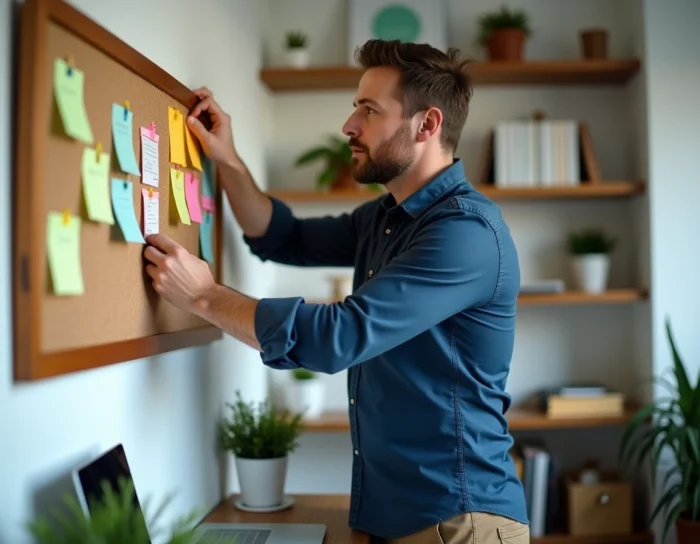
Organizing your home without falling into the trap of viral gadgets
Social media, led by TikTok, has exploded the demand for organizational items: clear bins, magnetic spice dispensers, stackable drawer dividers. Since 2023, French retailers like Action and Gifi have directly adopted these trends in their aisles.
The problem: buying an organizer solves nothing if the volume of items exceeds the storage capacity. Sorting always precedes the purchase of a container. This is the basic rule that “home hacks” videos systematically forget.
Three criteria to evaluate an organizational purchase
- The actual usage frequency: an item used less than once a month deserves high or remote storage, not a countertop arrangement within reach.
- Dimensional compatibility: measuring the available space before ordering a bin prevents a drawer that won’t close properly or a shelf that bows.
- The durability of the material: a thin plastic organizer deforms in a few months under weight. Wood, metal, or rigid plastic lasts several years.
This simple grid helps filter impulsive purchases triggered by a thirty-second video. A well-organized interior relies on fewer objects, not more boxes.
Well-being routines and positive culture in daily life
Everyday tips are not just about the home. Mental well-being is also built through small regular rituals. In recent years, structured approaches like “life design” have gained ground over scattered advice lists.
The Life Designer Journal, published by Intelligent Change in 2024, illustrates this trend well. It offers support over several months around five pillars: vision, goals, habits, reflections, gratitude. Structuring habits over time yields results that isolated tips do not produce.
Adapting the method to your pace
No need to buy a guided journal to apply the principle. A simple notebook is enough. The idea: each evening, note three positive elements from the day and one concrete action planned for the next day.
This short format (maximum two minutes) works because it reduces friction. The more time a ritual requires, the quicker it is abandoned. Consistency matters more than ambition.

Music also plays a measurable role in mood. Creating a playlist of five to ten songs associated with positive memories and playing it during a repetitive task (cleaning, cooking, commuting) transforms a neutral moment into a pleasurable one. The brain gradually associates the task with the musical emotion.
Photo tips and memories to keep a tangible record
Taking photos of daily life is pointless if they remain buried in a phone folder. Regularly sorting photos transforms a passive stock into an active album.
An effective method: every Sunday, select three photos from the week and move them to a monthly “favorites” folder. At the end of the month, these twelve to fifteen images form a visual summary ready to be printed or shared.
Why printing changes perception
An printed photo, even on ordinary paper, activates a tactile relationship absent from the screen. Physical albums are consulted with family, flipped through randomly, rediscovered years later. A digital file, on the other hand, disappears into the mass.
For pets, applying the same logic works very well. Photos of animals taken at their eye level (rather than from a standing position) yield much more expressive images, reusable as wallpapers or prints.
A small anti-routine journey to brighten an ordinary day
Changing your route to work, cooking a dish from a country you don’t know, listening to a podcast in a foreign language for ten minutes. These micro-variations break habits and stimulate attention.
- Modify one meal per week with an ingredient never tested (an exotic fruit, an unknown spice, a different grain).
- Dedicate fifteen minutes every weekend to a new cultural activity: visiting an online exhibition, reading an in-depth article on a topic far from your professional world.
- Walk without headphones once a week to reactivate attention to sounds, smells, and details of the usual route.
Novelty doesn’t need to be spectacular to produce an effect. A tiny change in an established routine is enough to rekindle curiosity. Daily life is rarely brightened by a major upheaval, almost always by an accumulation of well-chosen small shifts.